Project
Solving Ireland’s energy challenge with LDES
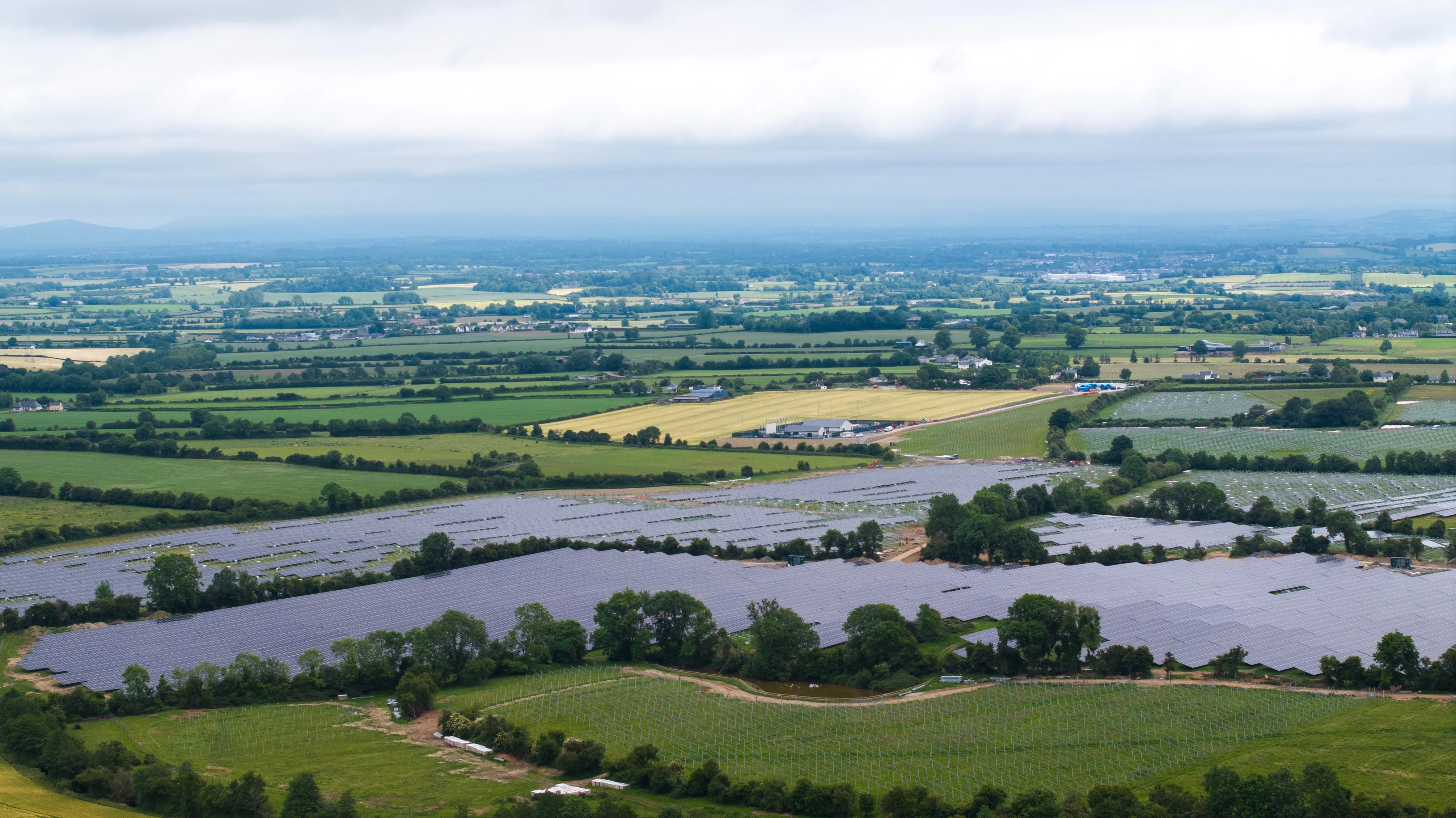
Current energy crisis
Ireland has never been in such a vulnerable position in terms of its energy security. Following the decommissioning of the country’s only gas storage facility in Kinsale in 2018, the security of supply of Ireland is now dependent on two sub-sea gas pipelines to the UK. The cost to Ireland is €10billion per annum - or just over €1.1million per hour - spent on fossil fuel imports.
Rathrush Green Energy Park is particularly timely with this sustained focus on the country’s 2030 climate change targets as well as the enormous, subsequent fines which could run from €8billion to anywhere up to €28billion by 2030, if Ireland fails to meet those targets. This is according to recent statements from both the Irish Fiscal Advisory Council and the Climate Change Advisory Council.
Without a significant roll-out in Long Duration Energy Storage (LDES), Ireland will fall short of its 2030 target which aims to increase the share of electricity generated from renewable sources up to 80%. By harnessing wasted wind and solar energy, consumers can also be insulated from future fossil fuel crises and price shocks such as were seen during the recent conflict in the Middle East as well as the aftermath of the Russian invasion of Ukraine in 2022.
Currently, some 1GW of batteries are connected to the grid but these are all of short duration. To realise this 2030 ambition, it is estimated that LDES capacity will need to reach a minimum of 2.4GW. At present there is only 0.3GW of LDES on the Irish grid. This all comes from a single pumped storage hydro-electric facility at Turlough Hill which was constructed over 50 years ago.
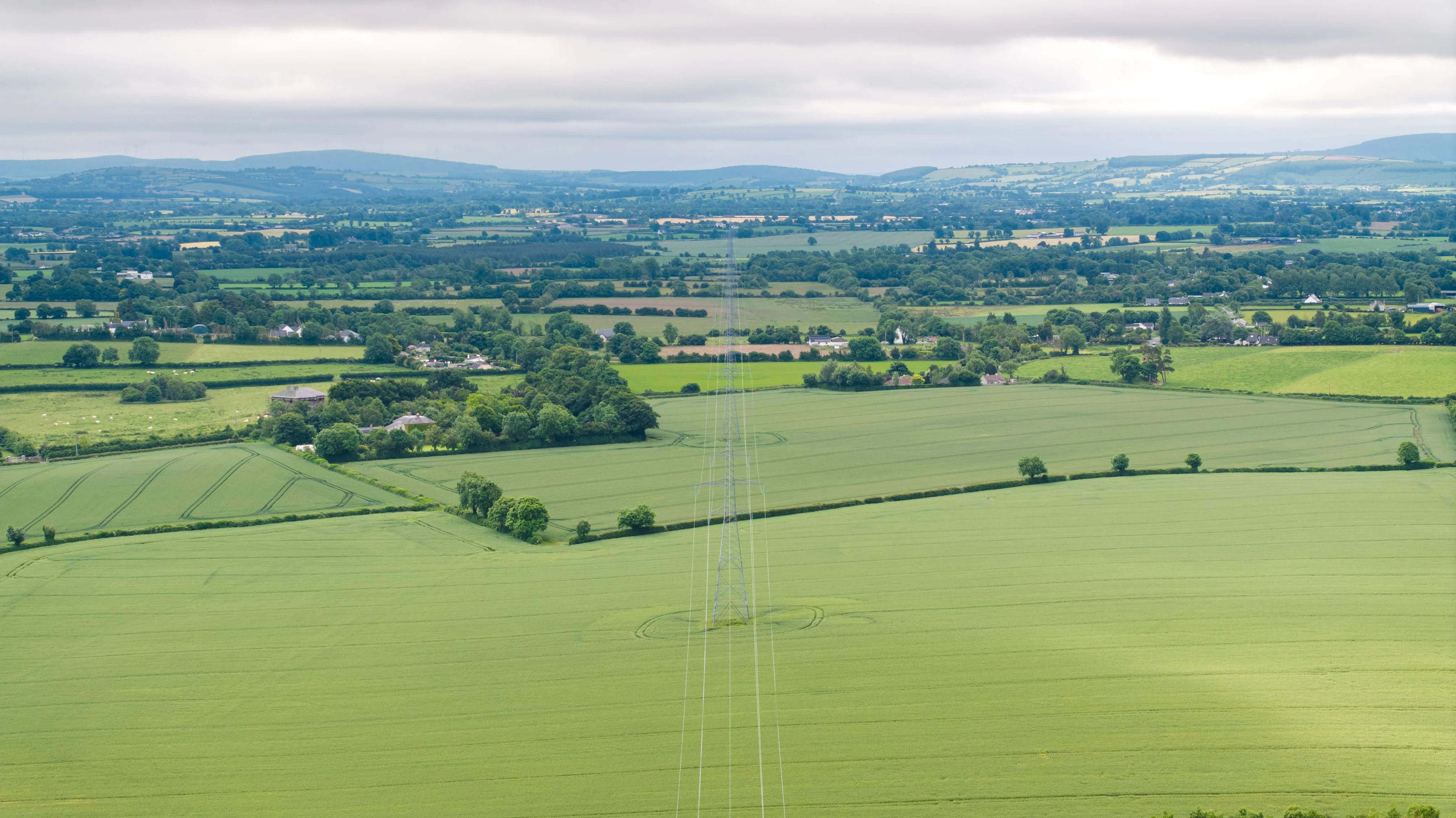
Merits of LDES
Long Duration Energy Storage is crucial to ending our relationship and dependence on fossil fuels. National policy requires us to move away from building fossil power plants which we won't be able to maintain because of prohibitive fines, cost of input, lack of security associated with these fuels.
The Irish Grid can and has run on up to 75% renewables at certain times. Projects like Rathrush Green Energy Park will mean that ultimately our power system can function on 100% renewables. This provides security of supply with LDES at the heart of its operation. It gives Ireland complete energy independence. It is vital that in that transition, we do not lose any of the reliability and resilience that the Irish system has shown to date.
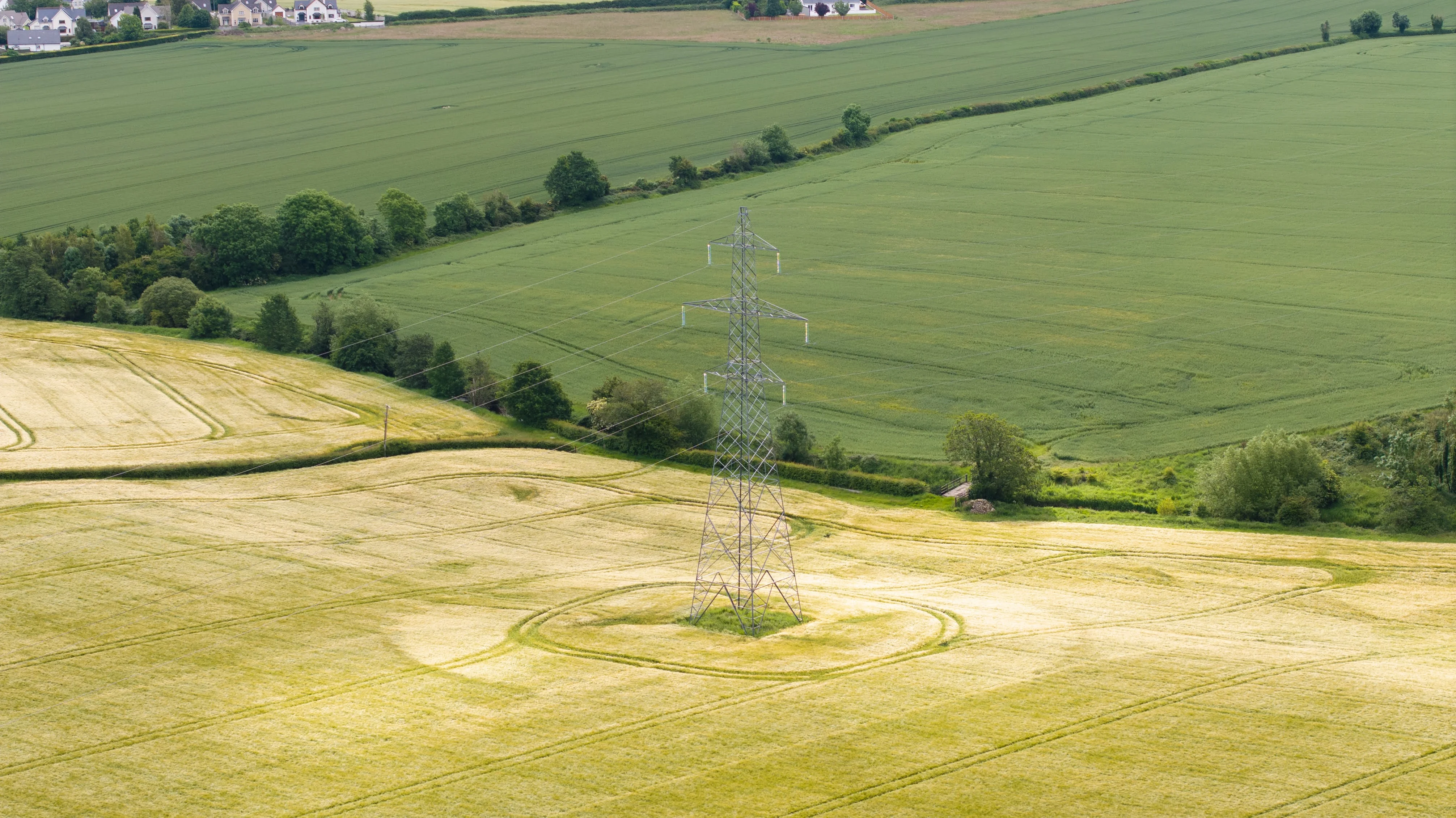
LDES brings manifold advantages
Wind and solar power generation are now cheaper than gas power generation. Therefore, it makes sense to build more renewable capacity than needed to cover the minimum demand level. However, the energy available from the wind and solar generation in Ireland won't always exactly match our energy demand needs. Even if Ireland achieves our 80% renewable electricity target by 2030, we will occasionally generate considerably more green electricity than can be taken onto the grid, used in real time. LDES can take that surplus and shift it in time to create a viable solution for when the wind and solar generation cannot meet our electricity demand alone.
It is seen as key to balancing the grid’s growing renewable generation over multiple days rather than just hours. As such, the technology is seen as a crucial component of net zero. Without this LDES, the Irish consumer will continue to pay hundreds of millions of euro annually for wasted renewable energy.
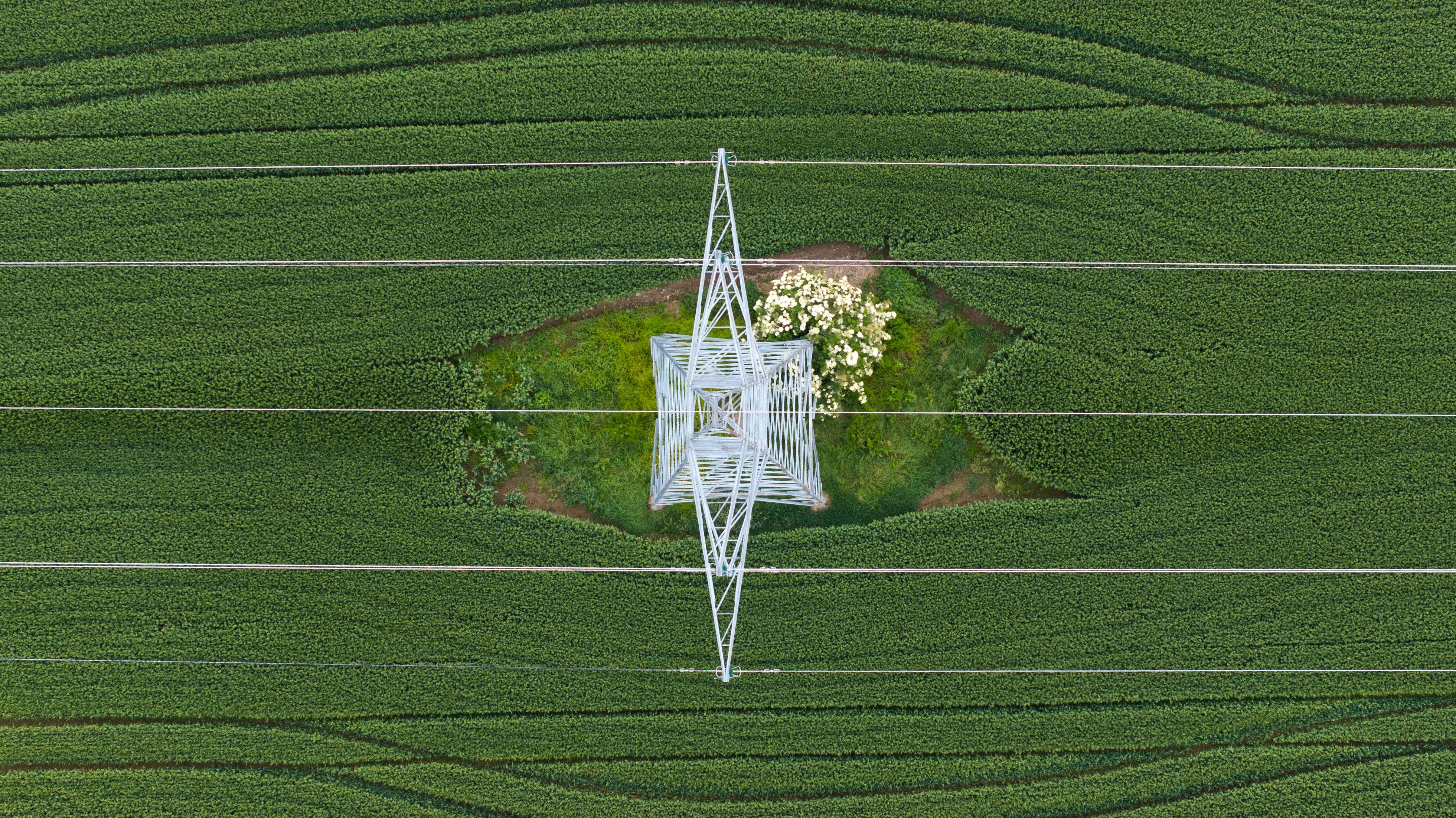
One of the most attractive features of long duration energy storage, is that it creates grid capacity by smoothing out the peaks in power flows. While the grid is a national and connected piece of infrastructure, it is more robust in certain parts of the country than others.
LDES will charge when it is windy and discharge again when it is calm. Net Zero Energy’s modelling shows that this smoothing effect means that it is possible to connect more wind in predominantly rural areas where the grid is currently deemed full without need for any additional overhead lines to ferry the power to another area.
Ireland’s great, but as of yet, largely untapped asset, is offshore wind. However, the best locations are limited by the capacity of the onshore 220kV grid. By choosing to locate LDES projects near these connection points, many more offshore wind farms could be connected much sooner while awaiting larger grid reinforcements to be permitted.

Harnessing surplus wind and solar energy to create clean, sustainable power
Project
Solving Ireland’s energy challenge with LDES
Current energy crisis
Ireland has never been in such a vulnerable position in terms of its energy security. Following the decommissioning of the country’s only gas storage facility in Kinsale in 2018, the security of supply of Ireland is now dependent on two sub-sea gas pipelines to the UK. The cost to Ireland is €10billion per annum - or just over €1.1million per hour - spent on fossil fuel imports.
Rathrush Green Energy Park is particularly timely with this sustained focus on the country’s 2030 climate change targets as well as the enormous, subsequent fines which could run from €8billion to anywhere up to €28billion by 2030, if Ireland fails to meet those targets. This is according to recent statements from both the Irish Fiscal Advisory Council and the Climate Change Advisory Council.
Without a significant roll-out in Long Duration Energy Storage (LDES), Ireland will fall short of its 2030 target which aims to increase the share of electricity generated from renewable sources up to 80%. By harnessing wasted wind and solar energy, consumers can also be insulated from future fossil fuel crises and price shocks such as were seen during the recent conflict in the Middle East as well as the aftermath of the Russian invasion of Ukraine in 2022.
Currently, some 1GW of batteries are connected to the grid but these are all of short duration. To realise this 2030 ambition, it is estimated that LDES capacity will need to reach a minimum of 2.4GW. At present there is only 0.3GW of LDES on the Irish grid. This all comes from a single pumped storage hydro-electric facility at Turlough Hill which was constructed over 50 years ago.
Merits of LDES
Long Duration Energy Storage is crucial to ending our relationship and dependence on fossil fuels. National policy requires us to move away from building fossil power plants which we won't be able to maintain because of prohibitive fines, cost of input, lack of security associated with these fuels.
The Irish Grid can and has run on up to 75% renewables at certain times. Projects like Rathrush Green Energy Park will mean that ultimately our power system can function on 100% renewables. This provides security of supply with LDES at the heart of its operation. It gives Ireland complete energy independence. It is vital that in that transition, we do not lose any of the reliability and resilience that the Irish system has shown to date.
LDES brings manifold advantages
Wind and solar power generation are now cheaper than gas power generation. Therefore, it makes sense to build more renewable capacity than needed to cover the minimum demand level. However, the energy available from the wind and solar generation in Ireland won't always exactly match our energy demand needs. Even if Ireland achieves our 80% renewable electricity target by 2030, we will occasionally generate considerably more green electricity than can be taken onto the grid, used in real time. LDES can take that surplus and shift it in time to create a viable solution for when the wind and solar generation cannot meet our electricity demand alone.
It is seen as key to balancing the grid’s growing renewable generation over multiple days rather than just hours. As such, the technology is seen as a crucial component of net zero. Without this LDES, the Irish consumer will continue to pay hundreds of millions of euro annually for wasted renewable energy.
One of the most attractive features of long duration energy storage, is that it creates grid capacity by smoothing out the peaks in power flows. While the grid is a national and connected piece of infrastructure, it is more robust in certain parts of the country than others.
LDES will charge when it is windy and discharge again when it is calm. Net Zero Energy’s modelling shows that this smoothing effect means that it is possible to connect more wind in predominantly rural areas where the grid is currently deemed full without need for any additional overhead lines to ferry the power to another area.
Ireland’s great, but as of yet, largely untapped asset, is offshore wind. However, the best locations are limited by the capacity of the onshore 220kV grid. By choosing to locate LDES projects near these connection points, many more offshore wind farms could be connected much sooner while awaiting larger grid reinforcements to be permitted.
Harnessing surplus wind and solar energy to create clean, sustainable power
Project
Solving Ireland’s energy challenge with LDES
Current energy crisis
Ireland has never been in such a vulnerable position in terms of its energy security. Following the decommissioning of the country’s only gas storage facility in Kinsale in 2018, the security of supply of Ireland is now dependent on two sub-sea gas pipelines to the UK. The cost to Ireland is €10billion per annum - or just over €1.1million per hour - spent on fossil fuel imports.
Rathrush Green Energy Park is particularly timely with this sustained focus on the country’s 2030 climate change targets as well as the enormous, subsequent fines which could run from €8billion to anywhere up to €28billion by 2030, if Ireland fails to meet those targets. This is according to recent statements from both the Irish Fiscal Advisory Council and the Climate Change Advisory Council.
Without a significant roll-out in Long Duration Energy Storage (LDES), Ireland will fall short of its 2030 target which aims to increase the share of electricity generated from renewable sources up to 80%. By harnessing wasted wind and solar energy, consumers can also be insulated from future fossil fuel crises and price shocks such as were seen during the recent conflict in the Middle East as well as the aftermath of the Russian invasion of Ukraine in 2022.
Currently, some 1GW of batteries are connected to the grid but these are all of short duration. To realise this 2030 ambition, it is estimated that LDES capacity will need to reach a minimum of 2.4GW. At present there is only 0.3GW of LDES on the Irish grid. This all comes from a single pumped storage hydro-electric facility at Turlough Hill which was constructed over 50 years ago.
Merits of LDES
Long Duration Energy Storage is crucial to ending our relationship and dependence on fossil fuels. National policy requires us to move away from building fossil power plants which we won't be able to maintain because of prohibitive fines, cost of input, lack of security associated with these fuels.
The Irish Grid can and has run on up to 75% renewables at certain times. Projects like Rathrush Green Energy Park will mean that ultimately our power system can function on 100% renewables. This provides security of supply with LDES at the heart of its operation. It gives Ireland complete energy independence. It is vital that in that transition, we do not lose any of the reliability and resilience that the Irish system has shown to date.
LDES brings manifold advantages
Wind and solar power generation are now cheaper than gas power generation. Therefore, it makes sense to build more renewable capacity than needed to cover the minimum demand level. However, the energy available from the wind and solar generation in Ireland won't always exactly match our energy demand needs. Even if Ireland achieves our 80% renewable electricity target by 2030, we will occasionally generate considerably more green electricity than can be taken onto the grid, used in real time. LDES can take that surplus and shift it in time to create a viable solution for when the wind and solar generation cannot meet our electricity demand alone.
It is seen as key to balancing the grid’s growing renewable generation over multiple days rather than just hours. As such, the technology is seen as a crucial component of net zero. Without this LDES, the Irish consumer will continue to pay hundreds of millions of euro annually for wasted renewable energy.
One of the most attractive features of long duration energy storage, is that it creates grid capacity by smoothing out the peaks in power flows. While the grid is a national and connected piece of infrastructure, it is more robust in certain parts of the country than others.
LDES will charge when it is windy and discharge again when it is calm. Net Zero Energy’s modelling shows that this smoothing effect means that it is possible to connect more wind in predominantly rural areas where the grid is currently deemed full without need for any additional overhead lines to ferry the power to another area.
Ireland’s great, but as of yet, largely untapped asset, is offshore wind. However, the best locations are limited by the capacity of the onshore 220kV grid. By choosing to locate LDES projects near these connection points, many more offshore wind farms could be connected much sooner while awaiting larger grid reinforcements to be permitted.
Harnessing surplus wind and solar energy to create clean, sustainable power
FAQ
News
About us
Contact us